
Noise-control work is most effective when the dominant source, transmission path, operating condition, and receiving location are identified before corrective measures are selected.
On-Site Acoustic Testing provides independent field measurement, source identification, troubleshooting, and verification for environmental, industrial, mechanical, commercial, institutional, and residential noise problems. The objective is to establish what is actually producing the sound, how it reaches the affected location, and whether proposed or completed mitigation changes the measured condition.
Start with the Measured Condition
Before recommending mitigation, OSAT documents the existing condition under representative operating conditions. The measurement plan is developed around the actual complaint, specification, permit condition, acceptance criterion, or performance objective.
Depending on the project, the investigation may include broadband and frequency-resolved sound-level measurements, one-third-octave analysis, source localization, vibration measurements, sound-intensity measurements, long-term monitoring, building-acoustics testing, or before-and-after comparisons.
What We Evaluate
- Dominant noise sources and operating states
- Airborne, structure-borne, and flanking transmission paths
- Frequency content, tonality, intermittency, and time variation
- Indoor, outdoor, property-line, and receiver-location sound levels
- Equipment vibration where structure-borne transmission is suspected
- Compliance with project criteria, specifications, ordinances, permits, or other defined limits where applicable
Typical Applications
- HVAC, chiller, pump, fan, cooling-tower, and generator noise
- Industrial machinery, production equipment, and process noise
- Data-center mechanical and electrical equipment
- Sound transmission between occupied spaces
- Fitness, recreation, pickleball, restaurant, hospitality, and entertainment noise
- Residential, multifamily, HOA, and community noise complaints
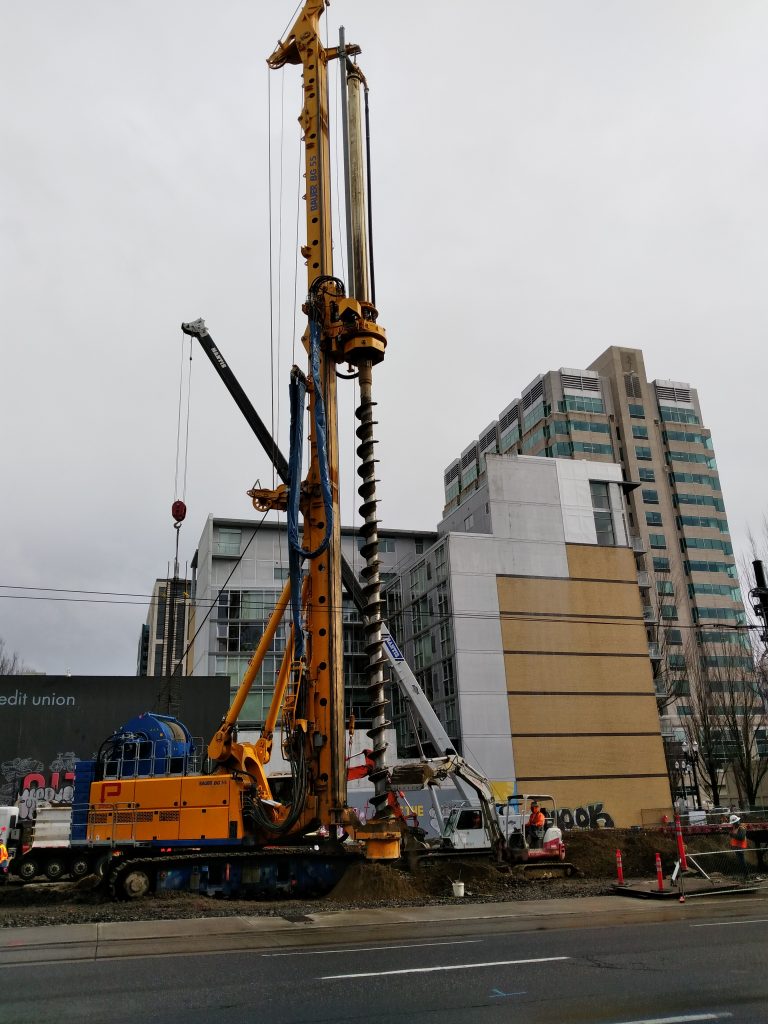
- Construction and temporary equipment noise
- Transportation, rail, aircraft, and other intermittent sources
- Persistent low-frequency, tonal, or difficult-to-localize noise
Field Investigation and Source Localization
A single sound-level reading often does not explain a noise problem. Where troubleshooting is required, OSAT varies equipment operation, measurement position, and operating state to separate competing sources and identify the conditions that control the result. Measurements may be taken at the source, along the transmission path, and at the affected receiver so that mitigation can be directed at the dominant mechanism rather than at the most obvious equipment.
For conditions that vary over time, long-term noise and vibration monitoring can document operating cycles, nighttime events, intermittent sources, and complaint periods that may not occur during a short site visit.
Independent Mitigation Support
OSAT does not sell acoustical products or installation services. We can document the existing condition, identify likely sources and transmission paths, review proposed corrective approaches from a measurement perspective, and help determine which changes are most likely to affect the measured result.
After corrective work is completed, OSAT can return for verification testing using the same or comparable operating conditions and measurement locations. This provides an objective before-and-after record rather than relying on subjective impressions alone.
What Clients Receive
Deliverables are tailored to the assignment and can include measured sound and vibration data, frequency spectra, measurement locations and operating conditions, comparison with applicable criteria, field observations, source or transmission-path findings, photographs, and recommendations for additional investigation or corrective work. When required, the report can also document post-mitigation verification results.
For projects involving community, industrial, mechanical, building, or recurring nuisance noise, send the project location, the source or complaint being investigated, the operating schedule, and any applicable specification, ordinance, permit condition, or acceptance criterion.
