
Specialized instrumentation for locating, isolating and measuring noise sources that are difficult to identify with conventional sound-level measurements alone.
Some noise problems require more than a conventional sound level meter. On-Site Acoustic Testing maintains specialized directional and acoustic-imaging equipment for investigations where the source is distant, intermittent, difficult to access, or one component must be separated from other nearby noise sources.
Acoustic Camera Noise Source Localization
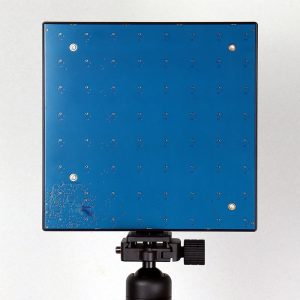
Our Convergence Instruments ACAM_64 acoustic camera can be used to visualize and localize sound sources. This is particularly useful around mechanical equipment, industrial systems and other environments containing multiple potential sources where conventional measurements may establish the sound level but not clearly identify which component is responsible.
Directional and Distant Noise Measurements
The Klover MiK 16 parabolic microphone provides a highly directional means of investigating more distant or difficult-to-isolate sound sources. Directional measurements can help determine whether a particular source is contributing to a noise condition when conventional omnidirectional measurements include several competing sources.

Applications
These methods are especially useful when the central question is not simply how loud a condition is, but where the sound is coming from and which source or transmission path is responsible.
- Locating individual sources within complex mechanical or industrial equipment
- Investigating intermittent or difficult-to-access noise sources
- Separating a suspected source from other nearby sound sources
- Directional investigation of more distant noise sources
- Supporting noise complaint and troubleshooting investigations where source identification is critical
One-Off Diagnostic Investigations
OSAT also develops one-off measurement programs for unusual problems that do not fit a standard test method. Examples can include locating leaks or other discrete acoustic sources, separating competing machinery sources, investigating inaccessible equipment from a distance, or combining conventional sound-level measurements with acoustic imaging and directional listening.
For product development, formal sound-intensity mapping, acoustic-camera hot-spot analysis, and ISO 4871 noise declarations, see our Product Noise Testing & ISO 4871 Noise Declarations service.
What Clients Receive
Depending on the investigation, deliverables can include identified source locations, acoustic images, directional measurement results, frequency data, photographs, comparison of candidate sources, and technical observations describing the most likely dominant source or transmission path.
Discuss a Specialized Noise Investigation
Contact On-Site Acoustic Testing to discuss the source, site conditions and measurement objective. We can determine whether conventional measurements, acoustic imaging, directional measurement, or a combination of methods is appropriate.
