
Workplace vibration measurements can document employee exposure, characterize machinery and equipment, and investigate vibration transmitted through floors, structures and occupied spaces.
On-Site Acoustic Testing provides field vibration measurements for industrial, commercial and institutional facilities. Testing can address occupational exposure, equipment-generated vibration, intermittent events and vibration complaints requiring measurements over an extended period.
Hand-Arm and Whole-Body Vibration
Workers can be exposed to vibration through powered tools, machinery, vehicles, platforms and other equipment. The appropriate measurement approach depends on how vibration reaches the worker, the operating conditions and the purpose of the evaluation. Multi-axis measurements can be used where exposure varies with direction or activity.
Machinery and Equipment Vibration
Vibration measurements can also help characterize operating equipment and identify changes associated with imbalance, looseness, rotating components or other mechanical conditions. OSAT can perform real-time measurements and frequency analysis where the vibration spectrum is useful for identifying dominant components.
FFT and Frequency-Spectrum Analysis
FFT and other frequency-domain measurements can separate complex vibration into individual frequency components. This is useful when correlating vibration with machine rotational speeds, harmonics, structural response or other periodic sources. Related acoustic investigations can incorporate noise spectrum analysis.
Long-Term Multi-Axis Vibration Monitoring
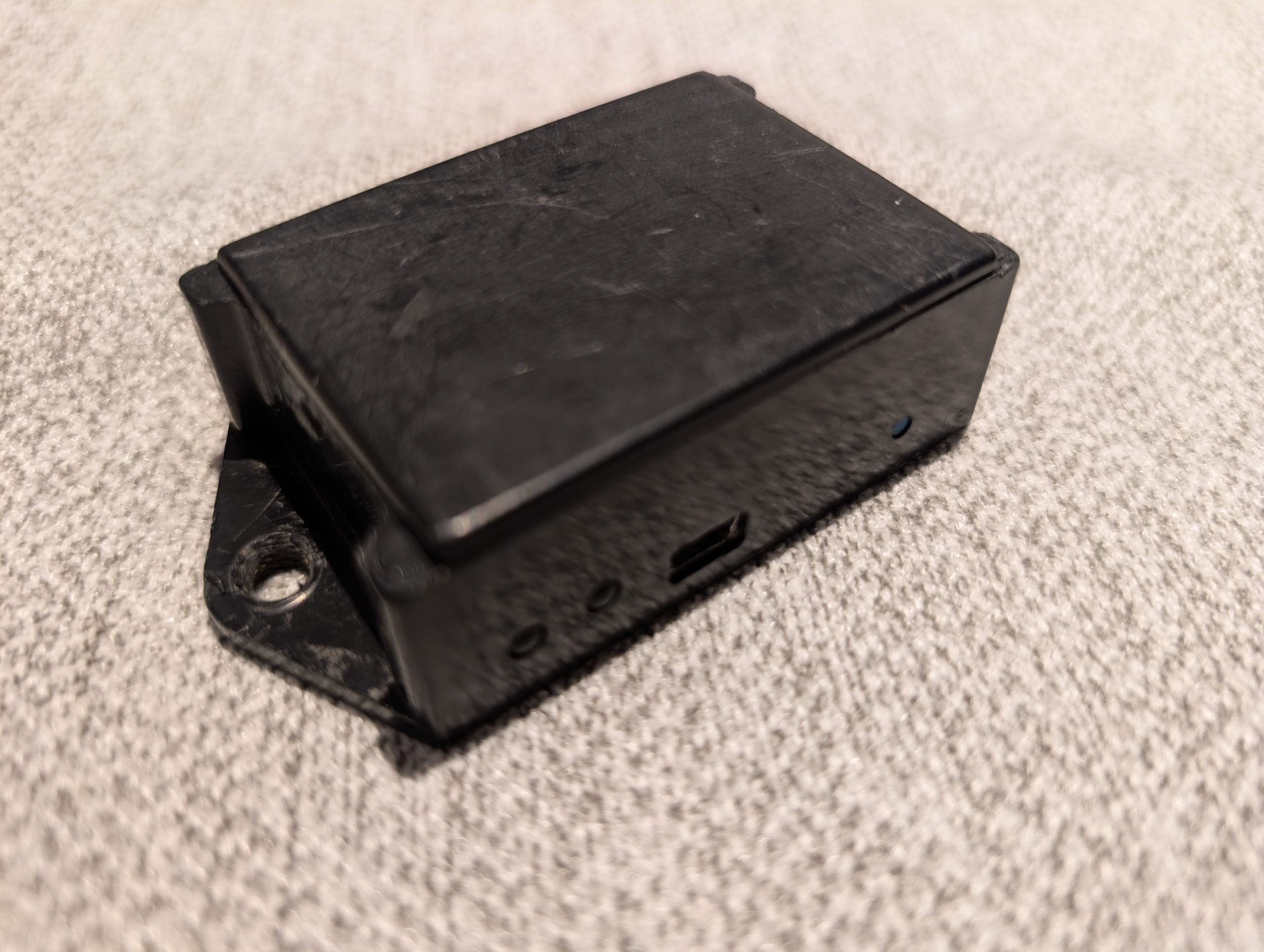
When vibration is intermittent or changes with operating cycles, traffic, construction activity or production schedules, long-term and remote monitoring can document how vibration varies over days, weeks, months, or longer. Measurements can then be compared with operating records or event times where appropriate.
Noise and Vibration Investigations
Many equipment problems involve both airborne sound and structure-borne vibration. Combined measurements can help determine the dominant transmission mechanism and support practical mitigation decisions. See also our industrial noise, vibration and air-quality testing and noise-control consulting services.
Discuss a Vibration Testing Project
Contact On-Site Acoustic Testing with the equipment or activity involved, operating conditions, affected locations and reason for testing so an appropriate measurement plan can be developed.
