
Independent elevator and escalator ride-quality testing using the PMT EVA-625 vibration and sound analysis system.
On-Site Acoustic Testing provides objective field measurements of elevator and escalator ride quality for building owners, facility managers, consultants, installers and modernization projects. Measurements can establish a performance baseline, document changes over time and provide data for troubleshooting vibration, motion and sound concerns.
Elevator Ride Quality Testing
Elevator ride quality is evaluated from measured motion, vibration and sound during operation. Depending on the investigation, the recorded data can be used to evaluate acceleration and deceleration, jerk, velocity, vibration in multiple axes and in-cab sound, as well as to identify repeatable events associated with particular portions of travel.
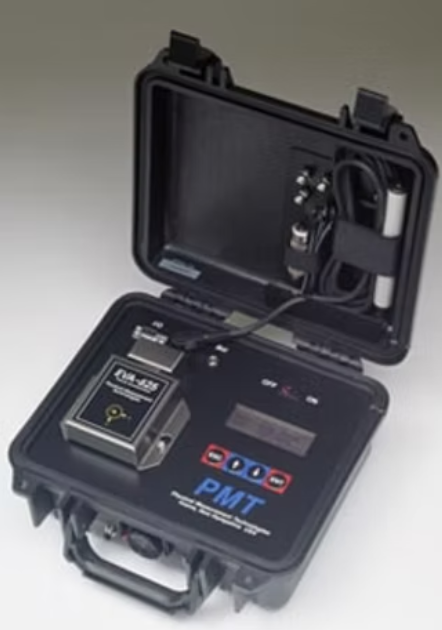
PMT EVA-625 Elevator Vibration Analysis System
OSAT uses the Physical Measurement Technologies EVA-625 Elevator Vibration Analysis system with EVA analysis software. The instrument is designed specifically for elevator and escalator ride-quality, vibration and sound measurements and supports standardized analysis as well as detailed diagnostic review of recorded data.
Current Elevator Ride Quality Standard
For elevators, ISO 8100-34:2021 is the current international standard for measurement of lift ride quality and replaced ISO 18738-1:2012. The standard addresses the measurement and reporting methodology for ride quality during lift motion; it does not itself define acceptable or unacceptable ride-quality limits.
Escalators and Moving Walks
Ride-quality measurements can also be performed for escalators and moving walks. ISO 8103-9:2022 replaced ISO 18738-2:2012 for measurement and reporting of escalator and moving-walk ride quality. Project requirements should determine the applicable procedure and reporting criteria.
Troubleshooting and Condition Documentation
EVA-625 data can support investigation of ride-quality complaints and mechanical or control-system issues. Applications include documenting pre- and post-modernization performance, identifying repeatable vibration events, evaluating machine vibration, and establishing baseline data for comparison during future testing.
Where additional diagnostic information is useful, OSAT can supplement ride-quality measurements with vibration and frequency-spectrum analysis of elevator machinery and other moving components.
Discuss Elevator or Escalator Testing
Contact On-Site Acoustic Testing to discuss the equipment, complaint or performance criteria and the measurements required.
