
Indoor air quality investigations combining direct-read measurements, air sampling and field observations to help characterize conditions in occupied buildings and workplaces.
On-Site Acoustic Testing provides indoor air quality and industrial hygiene field measurements for commercial, industrial, institutional and residential facilities. The measurement plan is selected for the concern being investigated rather than relying on a single generic air-quality test.
Direct-Read Indoor Air Quality Measurements
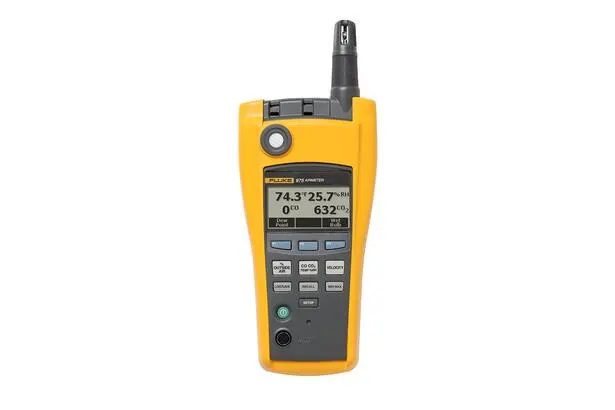
Direct-reading instruments can be used to document environmental conditions and screen for parameters relevant to ventilation and occupant complaints. OSAT’s current instrumentation includes the Fluke 975 AirMeter, which measures carbon dioxide (CO2), carbon monoxide (CO), temperature and relative humidity and can calculate dew point and wet-bulb temperature.
Air Sampling
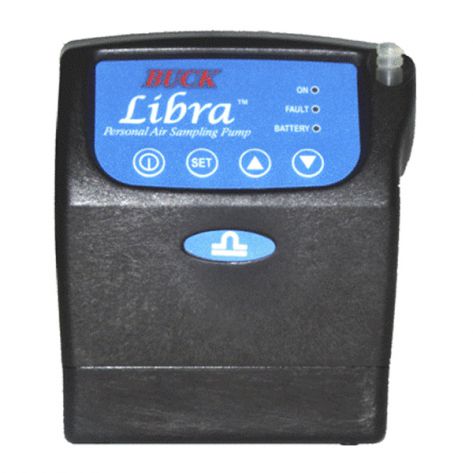
When the investigation requires collection of an air sample for subsequent analysis, OSAT maintains air-sampling equipment including the A.P. Buck Libra sampling pump. Sampling media, flow rate, sampling duration and analytical method are selected for the substance or condition being evaluated.
Indoor Air Quality Investigations
Indoor air quality investigations are most useful when they are tied to a specific question: an occupant complaint, a suspected source, a ventilation concern, a workplace exposure issue, or the need to establish baseline conditions. OSAT combines measurements with field observations so the data can be interpreted in the context of the building and its operation.
Typical Investigation Objectives
- Document temperature, humidity, carbon dioxide, carbon monoxide and other direct-read parameters
- Evaluate whether conditions vary between occupied areas, floors, zones or operating periods
- Screen for ventilation-related concerns or unusual environmental conditions
- Collect personal or area air samples when laboratory analysis is required
- Compare affected and unaffected locations to help narrow the source of a complaint
- Establish baseline conditions before occupancy, renovation or corrective work
- Verify conditions after filtration, ventilation, material or process changes
An IAQ investigation may combine instrument readings, air sampling, inspection and review of building or HVAC conditions. Depending on the project, measurements can help evaluate ventilation-related concerns, unusual environmental conditions, occupant complaints or suspected workplace exposures.
Industrial Hygiene and Workplace Air Sampling
Where the objective is occupational exposure characterization rather than general building screening, OSAT can perform personal or area sampling using a sampling train selected for the target substance and analytical method. Pump flow, media, duration, employee activity, process conditions and sample location are documented so the laboratory result can be interpreted against the appropriate project or occupational criteria.
Field Conditions We Document
- Occupied and unoccupied room conditions
- HVAC operating state and ventilation-related observations
- Temperature and relative humidity
- Potential source locations, materials and processes
- Sampling location, duration, flow rate and relevant activity during the sample period
- Differences between complaint areas and comparison locations
A Measurement Plan Matched to the Concern
There is no single measurement that establishes whether all aspects of indoor air quality are acceptable. CO2, for example, can provide useful information about ventilation conditions but is not a comprehensive measure of indoor air quality by itself. The investigation therefore starts with the reported condition, building use, suspected source and decision that must be made from the data.
Where needed, direct-read measurements can be combined with laboratory sampling, repeat measurements under different operating conditions, or follow-up verification after corrective work. This avoids treating a general-purpose meter reading as a substitute for a contaminant-specific sampling method.
What Clients Receive
Deliverables can include measured environmental parameters, sampling locations and conditions, laboratory results where samples are collected, comparison with the project or occupational criteria being used, field observations, photographs, and identification of patterns that may warrant additional investigation. When corrective work is performed, follow-up measurements can document whether conditions changed as intended.
Discuss an Indoor Air Quality Investigation
Contact On-Site Acoustic Testing with the facility type, reported concern, affected areas and any known or suspected contaminants so an appropriate field investigation can be developed.
