
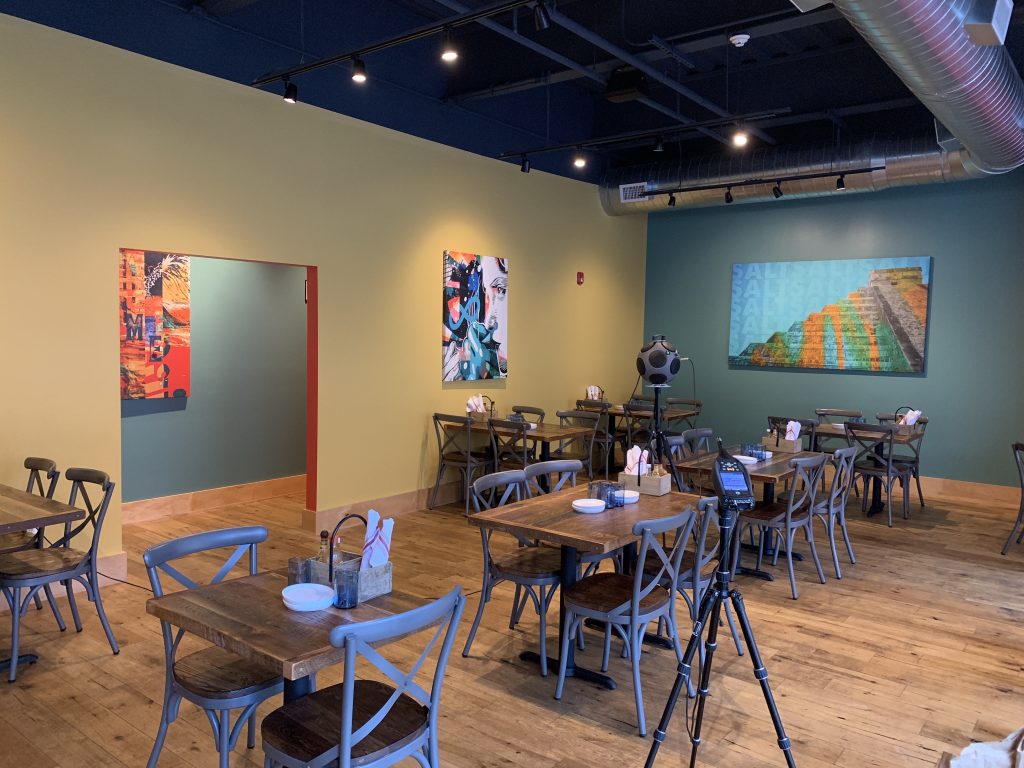
Restaurants, bars, nightclubs and entertainment venues can create several different acoustical problems at once: high interior sound levels, employee noise exposure, sound transmission to neighboring spaces, and community noise at nearby properties.
On-Site Acoustic Testing provides independent field measurements to identify and document these conditions and to support practical noise-control decisions.
Site Surveys and Existing Acoustic Conditions
Before opening, renovating, or leasing a restaurant, bar, nightclub, or entertainment venue, OSAT can document the acoustic conditions that already exist. Surveys can include ambient and background noise, exterior noise intrusion, neighboring occupancies, and airborne or structure-borne transmission from adjacent, above, or below spaces.
This baseline can help determine whether a location is suitable for the intended use and can provide a reference for later design, mitigation, or acceptance testing.
Interior Sound Level Testing
Measurements can document ambient and amplified sound levels in dining rooms, bars, performance areas, kitchens and other front- and back-of-house spaces. Frequency-spectrum analysis can help identify the portions of the sound system or other sources contributing most strongly to a problem.
Employee Noise Exposure
Where employee exposure is a concern, personal noise dosimetry testing can document exposure over a work shift or representative operating period. Results can be evaluated under the applicable occupational-noise framework, including OSHA requirements where appropriate.
Interior Reverberation and Absorptive Treatment
In restaurants and bars, excessive reverberation can make spaces feel harsh, reduce speech comfort, and cause overall sound levels to build as patrons and amplified systems compete with the room. OSAT can measure reverberation time and frequency-dependent decay to document the existing condition.
Where absorptive ceilings, wall panels, curtains, baffles, or other acoustic treatments are installed, measurements can be used to evaluate their field performance or compare conditions before and after treatment.
Noise Transmission to Adjacent Spaces
Bass and amplified music can be particularly difficult to control because sound may travel through walls, floors, ceilings, structural connections and penetrations. OSAT can combine sound-level and frequency measurements with building-acoustics testing to investigate transmission between tenant spaces, residences and other adjoining occupancies.
Exterior and Community Noise
Outdoor seating, rooftop equipment, music, patrons and mechanical systems can affect nearby properties. Measurements may be made at property lines, façades or other relevant receiver locations and compared with project-specific requirements or applicable criteria.
Long-Term Noise Monitoring
For intermittent conditions or complaints that cannot reliably be reproduced during a short site visit, long-term noise-level and audio recording can help correlate events with time, operating conditions and measured sound levels.
Airborne and Structure-Borne Transmission
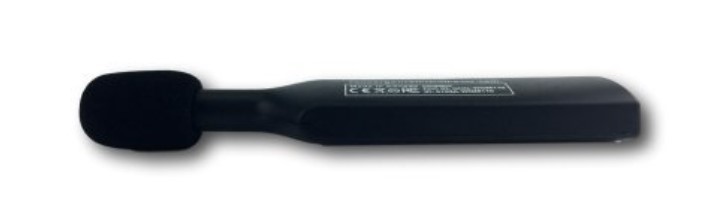
For venues in mixed-use buildings, transmission may occur not only through partitions but through floors, structural framing, ceilings, ducts, shafts, penetrations, and other flanking paths. OSAT can investigate both airborne and structure-borne sound transmission to neighboring buildings or to adjacent, above, and below occupancies.
For similar testing in critical-listening environments, see our Recording Studio Acoustic Testing service.
What Clients Receive
Depending on the project, deliverables can include ambient and operating sound levels, frequency spectra, reverberation-time data, airborne or structure-borne transmission results, long-term monitoring records, measurement locations and operating conditions, photographs, identification of likely transmission paths, and before-and-after comparison of mitigation or absorptive treatment.
Noise Control and Follow-Up Testing
Testing can establish existing conditions, identify dominant sources and transmission paths, and provide a technical basis for mitigation. See our noise-control and sound-mitigation consulting services for more complex investigations.
Discuss a Restaurant or Entertainment Noise Project
Contact On-Site Acoustic Testing with the type of venue, operating hours, noise source, affected locations and objective of the investigation so an appropriate measurement approach can be developed.
